Hunger hits 49% of poorest families, surges in NCR, Visayas
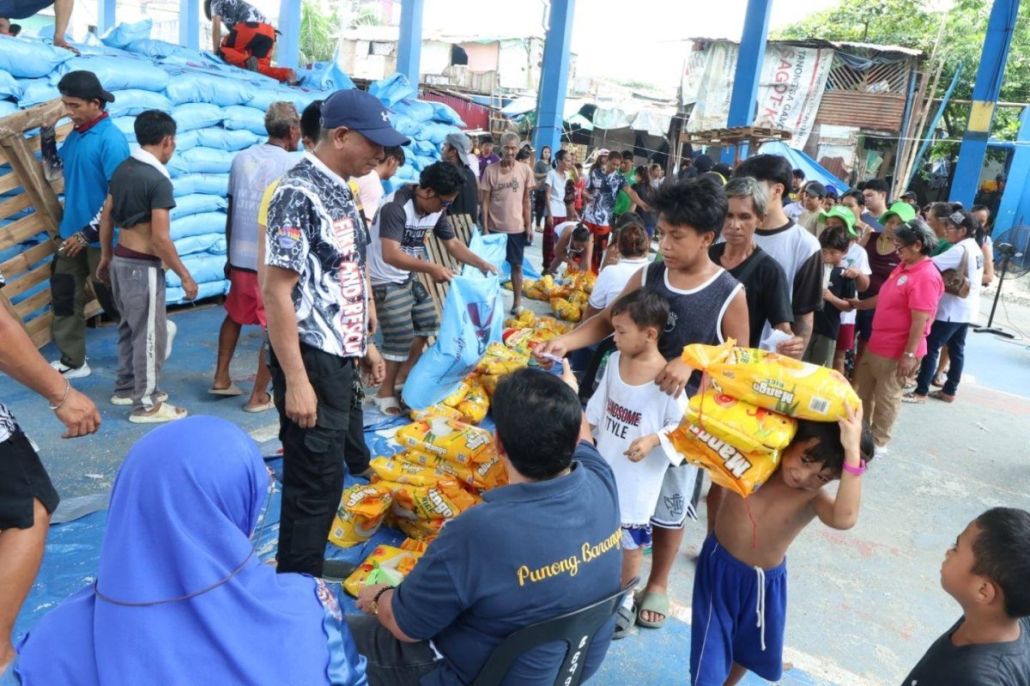
Photo: The Manila Times · Original story
MANILA, Philippines — Nearly half of the country's poorest families experienced involuntary hunger in the third quarter of 2026, while hunger incidence also climbed sharply in Metro Manila and the Visayas, according to an OCTA Research survey.The Tugon ng Masa (TNM) survey released Wednesday found that 49 percent of Class E households went hungry, up 14 percentage points from the second quarter.Hunger incidence in the National Capital Region (NCR) and the Visayas likewise rose to 29 percent, an increase of 10 percentage points in Metro Manila and 12 points in the Visayas from the previous quarter.The national hunger rate, however, remained statistically unchanged at 22 percent, or about 5.8 million families, from 21 percent or 5.6 million families in the second quarter.OCTA said the national figure was still higher than the 17 percent recorded in the first quarter of 2026.NCR and the Visayas posted the highest hunger rates among the country's major regions at 29 percent each. Balance Luzon followed at 21 percent, while Mindanao recorded 16 percent.Hunger was reported by 22 percent of Class D households and 4 percent of Class ABC families, reflecting the disparity in food insecurity across socioeconomic groups.Among families that experienced hunger, 62 percent said it happened only once in the three months preceding the survey. Another 20 percent said they went hungry a few times, while 17 percent reported experiencing it often or always.The survey also showed that 37 percent of Filipino families, or an estimated 9.8 million households, considered themselves poor in the third quarter, down from 39 percent or 10.3 million in the previous quarter.The two-percentage-point decline was within the survey's margin of error of plus or minus 3 percentage points, indicating no statistically significant change.Mindanao had the highest self-rated poverty incidence at 56 percent, followed by the Visayas at 49 percent, Balance Luzon at 26 percent and NCR at 20 percent.Self-rated food poverty also remained statistically unchanged, with 27 percent of families, or about 7.1 million households, considering themselves food-poor. This was slightly lower than the 28 percent or 7.4 million families reported in the second quarter.Mindanao again recorded the highest incidence at 54 percent, followed by the Visayas at 35 percent, Balance Luzon at 16 percent and NCR at 10 percent.Families who considered themselves poor said they needed a median monthly household budget of P18,000 to meet their basic needs, but were short by P5,000.Those who identified themselves as food-poor said they needed P10,000 a month for food to no longer consider themselves food-poor, with a median shortfall of P3,500.OCTA said the amounts were based on respondents' own estimates and were not official poverty thresholds.The nationwide survey was conducted from Sept. 28 to Oct. 4 through face-to-face interviews with 1,200 respondents aged 18 and above. It has a margin of error of plus or minus 3 percentage points at a 95-percent confidence level. Regional estimates for NCR, Balance Luzon, the Visayas and Mindanao have margins of error of plus or minus 6 percentage points.
Read the full story at The Manila Times.